

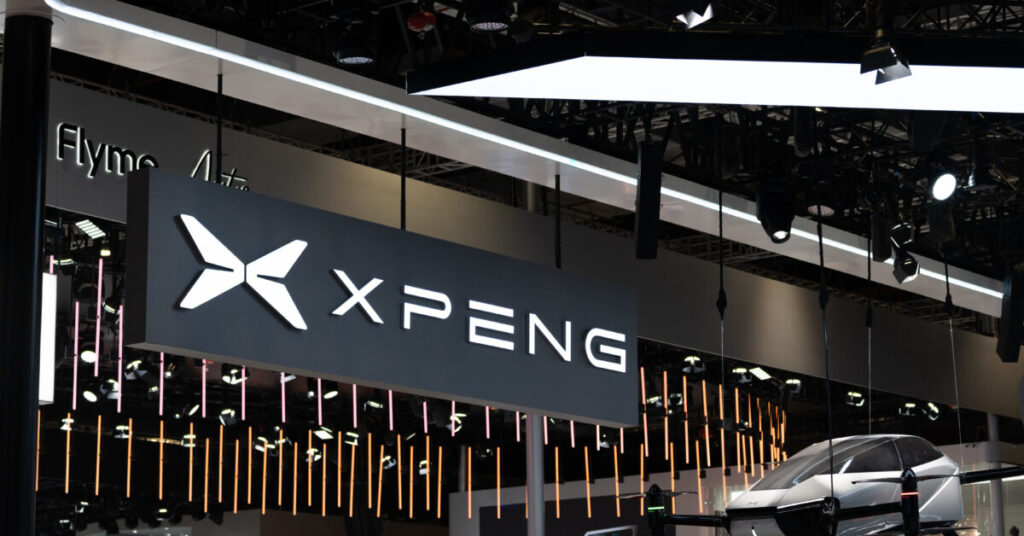
The Chinese electric car manufacturer Xpeng, headquartered in Guangzhou, has revealed its next major leap in AI-driven technology. The company is now moving beyond vehicle production — focusing on self-driving robotaxis and humanoid robots. This announcement marks a significant milestone, putting Xpeng in direct competition with Tesla and other global tech leaders.
What Is a Robotaxi?
A robotaxi is a self-driving car that operates without a human driver.
It uses artificial intelligence (AI) to navigate roads, detect surroundings, and transport passengers safely.
Through a mobile app, people can book a ride and travel from one place to another — without a driver.
During its “AI Day” event, Xpeng unveiled three new robotaxi models.
These vehicles are powered by the company’s in-house “Turing AI chips”, each offering a staggering 3,000 TOPS (trillions of operations per second) — making them some of the most powerful car chips in the world.
What Do the “Turing” Chips Do?
These chips power Xpeng’s “Vision-Language-Action (VLA)” model — a system that integrates:
- Vision (camera and image input)
- Language (voice and command input)
- Action (decision-making and movement)
This combination allows vehicles to make independent, real-time driving decisions, bringing revolutionary change to both the autonomous driving and robotics industries.
Partnership with Alibaba
Chinese e-commerce giant Alibaba has partnered with Xpeng through its AutoNavi and Amap apps.
This partnership will help Xpeng’s robotaxi services expand across major Chinese cities, creating a new kind of ride-hailing experience for users.

First Tests Coming Soon
Xpeng plans to launch robotaxi trials in 2026 across Guangzhou and other major cities.
Company co-president Brian Gu stated, “Robotaxi technology is advancing faster than we expected. With AI improving so rapidly, we are approaching a true turning point for this industry.”
Two Types of Autonomous Cars
Xpeng’s robotaxi strategy includes two models:
Commercial shared cars – for public ride-hailing services.
Private autonomous cars – for family use, shared only among household members.
Competition Among Chinese Companies
Other Chinese firms like Pony.ai, WeRide, and Baidu are already testing robotaxi services in selected regions. Some have even begun limited public operations. Meanwhile, Tesla recently launched its long-awaited robotaxi trials in Texas, USA. Humanoid Robots – “Iron” Series
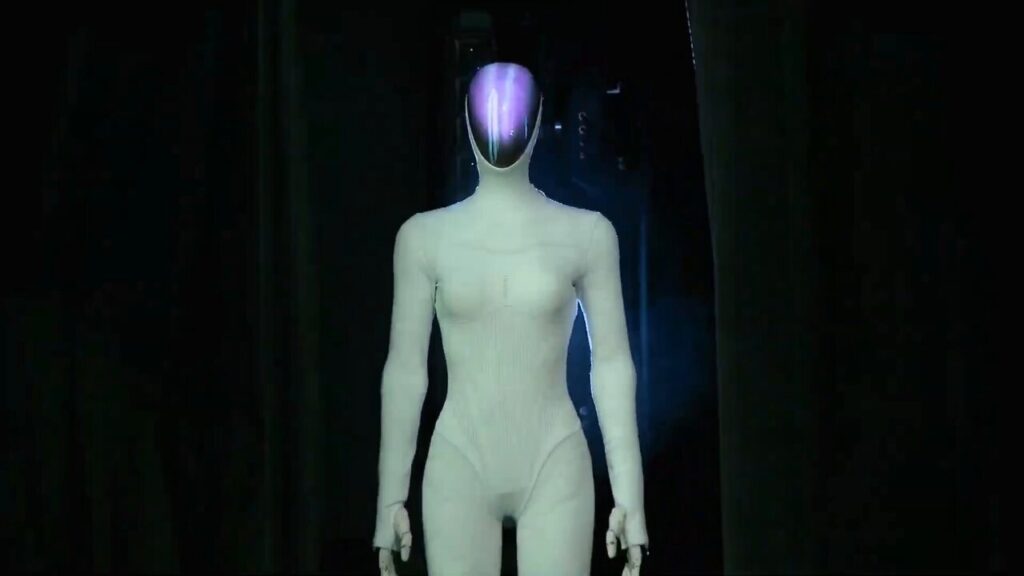
Alongside the robotaxi launch, Xpeng also unveiled the second-generation humanoid robot, called Iron 2.
This model closely resembles Tesla’s Optimus robot.
The company announced plans to begin large-scale production in 2026.
Uses of Humanoid Robots
According to CEO He Xiaopeng, these humanoid robots won’t immediately be used in homes.
Instead, they’ll first serve in public and commercial environments as:
- Tour guides
- Sales assistants
- Office reception guides
- The project will begin inside Xpeng’s own facilities, and He believes that,
- “Within the next 10 years, Xpeng will sell more robots than cars.”
- Technical Features
Each humanoid robot will include:
- 3 Turing AI chips for advanced processing power
- A solid-state battery for longer life and safety
- Customizable design options, such as body shape and hairstyle
- These features make Iron 2 one of the most advanced humanoid robots ever built in China.
Competing with Tesla
Xpeng Co-President Brian Gu said, “In some areas, like flying cars and humanoid robots, we actually began development before Tesla.” He admitted, however, that Tesla has been more effective in publicizing and commercializing its technology.
“We plan to take that next step now,” he added confidently.
Flying Car Project
Xpeng is also developing a flying car prototype, aiming to redefine the future of transportation.
The project reflects the company’s long-term goal — to merge AI, robotics, and aviation technologies into a single ecosystem.

The Bigger Picture
Xpeng is no longer just an electric vehicle manufacturer.
It is evolving into a powerful AI and robotics enterprise, integrating autonomous vehicles, humanoid robots, and flying cars into its vision of the future.
The company’s innovations could reshape how people commute, work, and interact with machines in the coming decade. Xpeng’s advancements are not just China’s response to Tesla, they represent the next frontier of global technology.