


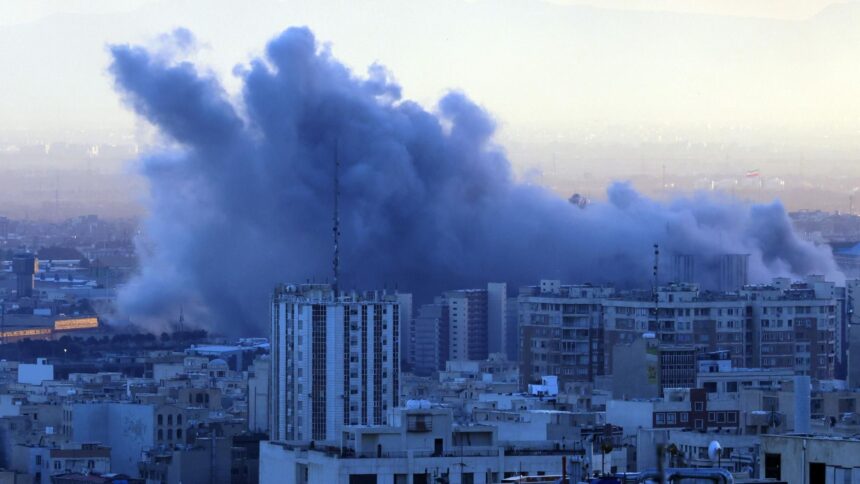
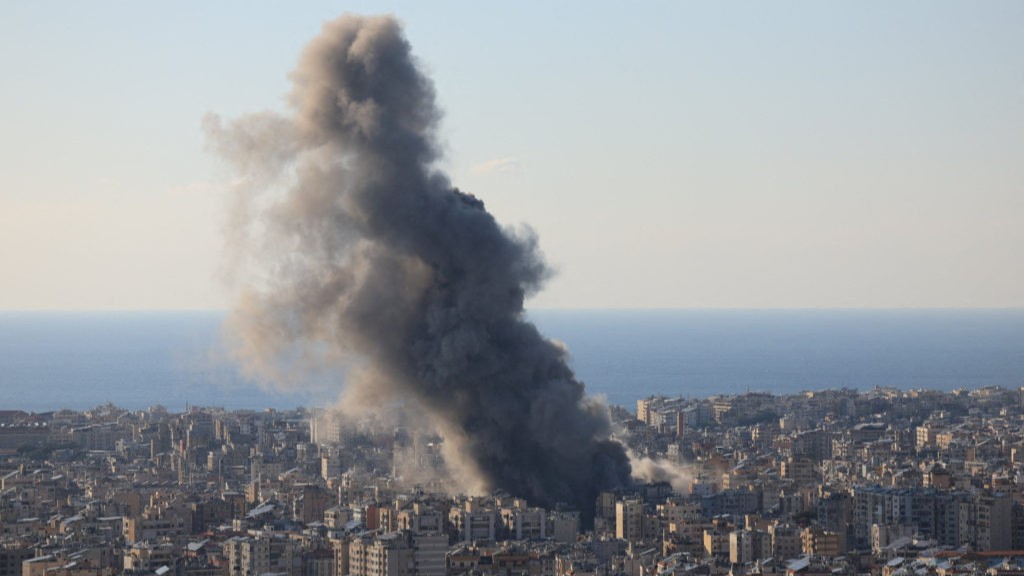
The Israel Iran conflict has rapidly escalated in recent weeks, drawing global attention and raising fears of a wider regional war. The ongoing Iran Israel war began after major military strikes and retaliatory attacks between the two countries, significantly increasing instability in the Middle East. Military operations and missile exchanges have intensified, with both nations targeting strategic infrastructure and military bases.
The conflict escalated dramatically after coordinated strikes targeted key Iranian facilities and leadership. Iran responded with missile and drone attacks aimed at Israel and allied military bases in the region. As a result, tensions across the Middle East have reached one of the most dangerous levels in recent years, with several countries closely monitoring the situation.
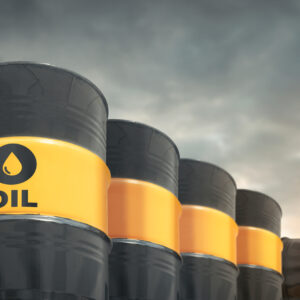
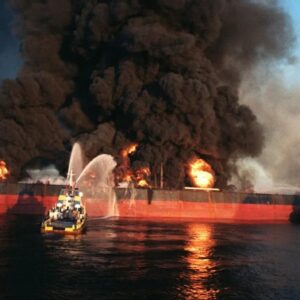
One of the biggest global concerns linked to the Israel Iran conflict is its potential impact on energy markets. The Middle East is a major supplier of crude oil, and any disruption in this region could affect global supply chains. Shipping routes such as the Strait of Hormuz are particularly sensitive, as a significant portion of the world’s oil passes through this narrow waterway. If the conflict disrupts these routes, crude oil prices could rise sharply, affecting economies around the world.
The escalating Iran Israel war has also triggered international diplomatic responses. Global powers and international organizations have urged restraint, warning that further escalation could destabilize the entire region. Analysts warn that if more countries become involved, the conflict could evolve into a much larger geopolitical crisis.
Although many experts believe a full-scale worldwar is unlikely, the current situation highlights how regional conflicts can quickly impact global politics, security, and energy markets. As the Israel Iran conflict continues, the world is watching closely to see whether diplomacy can prevent further escalation.