


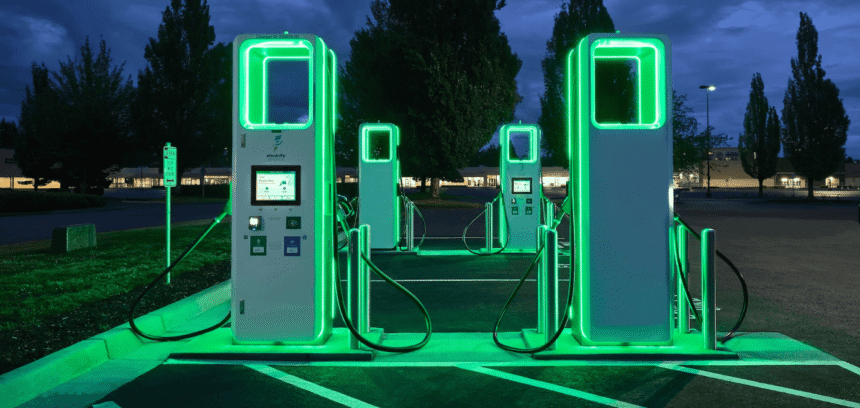
In a major step toward promoting clean mobility and sustainable urban development, the Tamil Nadu government has issued a new directive mandating electric vehicle (EV) charging infrastructure in all new residential, commercial, and industrial buildings across the state.
This initiative comes as an amendment to the Tamil Nadu Combined Development and Building Rules, 2019, aligning with the objectives of the Tamil Nadu Electric Vehicle Policy, 2023. The move aims to transform the state into India’s leading hub for electric mobility while fostering a cleaner, greener future.
Key Highlights of the Order
Under the new directive, all residential buildings, except those that are below 14 meters in height, have eight or fewer dwelling units, or have a built-up area less than 750 square meters, must include EV charging facilities in all parking spaces.
This ensures that all future housing developments in Tamil Nadu are “EV-ready.” Builders are required to integrate electrical connections, charging points, and safety provisions for EVs right from the planning and construction phase, thereby laying a strong foundation for sustainable urban infrastructure.
Special Rules for Commercial and Industrial Buildings
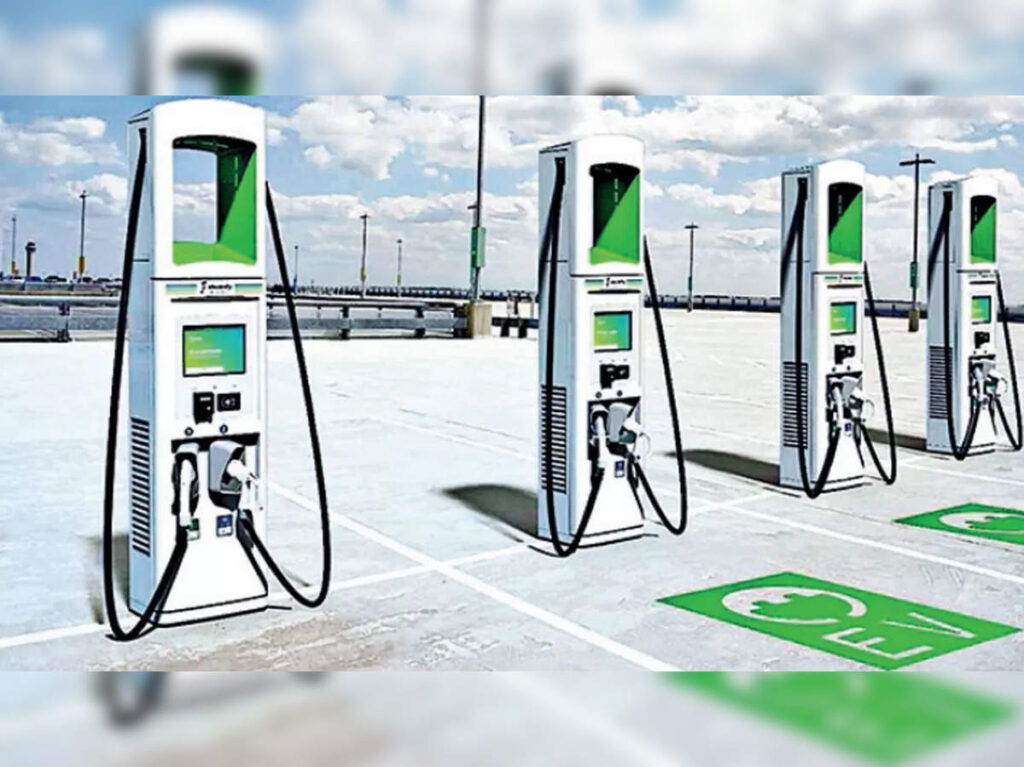
For commercial, industrial, and institutional buildings with a Floor Space Index (FSI) exceeding 300 square meters, at least 10% of parking spaces must be reserved for EV charging. The directive also encourages the inclusion of fast-charging stations to facilitate quick and efficient vehicle charging.
This regulation will significantly benefit workplaces, factories, malls, hotels, and educational institutions, making EV usage more convenient for employees, customers, and the general public. It is expected to serve as a catalyst for widespread EV adoption in urban areas.
Exemptions for Smaller Buildings
Smaller residential constructions those below 14 meters in height, with fewer than eight units or less than 750 square meters of area are exempt from this mandate. This exemption prevents additional financial and logistical burdens on small-scale builders and homeowners while still advancing the state’s larger environmental goals.
Boost to Urban Planning and Sustainability
This decision marks a turning point in Tamil Nadu’s urban planning strategy. By integrating EV charging infrastructure into the cityscape, the government aims to reduce carbon emissions from the transport sector and promote an eco-friendly urban environment.
The policy will also have long-term benefits in energy management, power distribution, and transportation integration, strengthening coordination between the public and private sectors.
The government has also encouraged existing large buildings such as apartments (with over 50 families), malls, hotels, and office complexes to voluntarily install EV charging facilities. Supportive schemes, financial assistance, and technical guidance are expected to be announced soon to facilitate this transition.
Tamil Nadu’s Vision for a Green Future
Tamil Nadu is already a frontrunner in India’s EV revolution, attracting major investments and hosting several international EV manufacturers in cities like Chennai, Hosur, and Coimbatore.
The new building regulations reinforce the goals of the Tamil Nadu EV Policy 2023, which aims for a significant portion of newly registered vehicles in the state to be electric by 2030.
Infrastructure development is a key component in achieving this vision. By mandating EV charging facilities, the government is ensuring that the state’s urban growth remains aligned with sustainable energy objectives.
Towards a Cleaner Tomorrow
This move represents a milestone in Tamil Nadu’s commitment to green energy growth and renewable energy adoption. By making EV charging a mandatory part of urban infrastructure, the state is setting a national example in sustainable city planning.
Beyond reducing carbon emissions, this initiative is expected to foster innovation, attract new investments, and make EV adoption easier and more accessible for citizens.
With this policy, Tamil Nadu positions itself not just as a leader in India’s EV transformation, but also as a pioneer in building a cleaner, more resilient, and sustainable future for the next generation.