


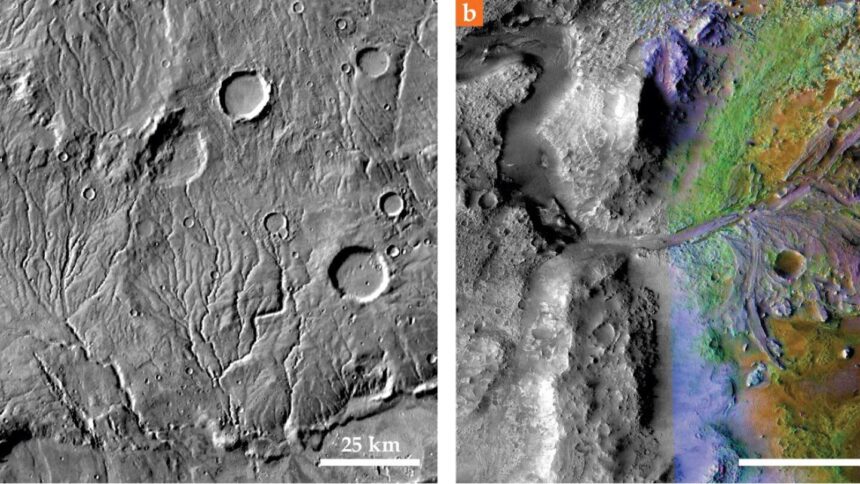
The Jezero Crater, one of Mars most studied regions today, wasn’t always a dry, barren desert. For much of its history, it may have been filled with water — creating conditions suitable for life, according to new NASA research. The findings were made possible by data from NASA’s Perseverance Rover.
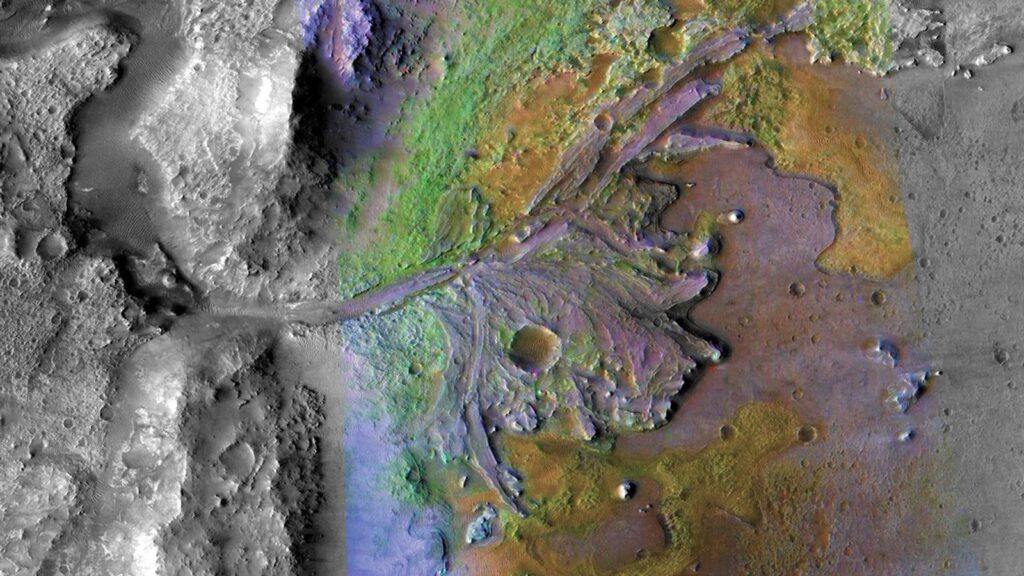
Mars’ Three Distinct Eras
Scientists studying the crater have discovered that Mars was not in the same condition throughout its history. Instead, the planet underwent three distinct environmental phases over time.
1. The Acidic Hell
In its earliest stage, though water existed, it was extremely acidic and hot — an environment far too harsh for life to thrive.
2. The Neutral River
Over time, conditions softened. The temperature dropped, and the water’s acidity decreased, creating a more balanced, neutral environment. Evidence also suggests that rivers once flowed during this period.
3. The Nectar of Life
In its final stage, Mars developed alkaline, mineral-rich water systems — ideal conditions that could have supported microbial life.
Evidence Collected
The rover identified 24 types of minerals that serve as clues to these changing environments. These minerals reveal how heat, acidity, and alkalinity shaped the Martian surface over time.
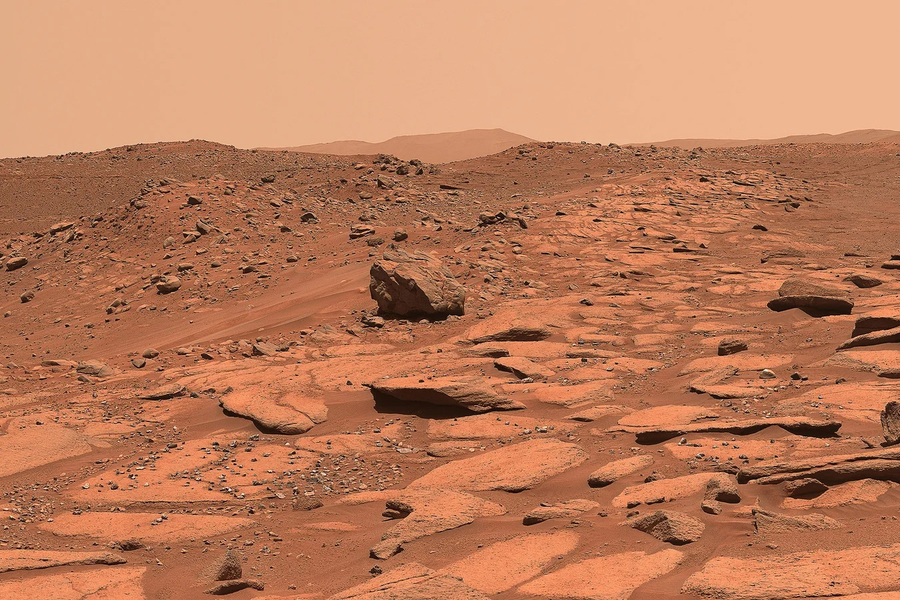
Samples taken from what appears to have been an ancient riverbed contain chemical traces that may point to past biological activity including carbon compounds, iron phosphates, and iron sulfides.
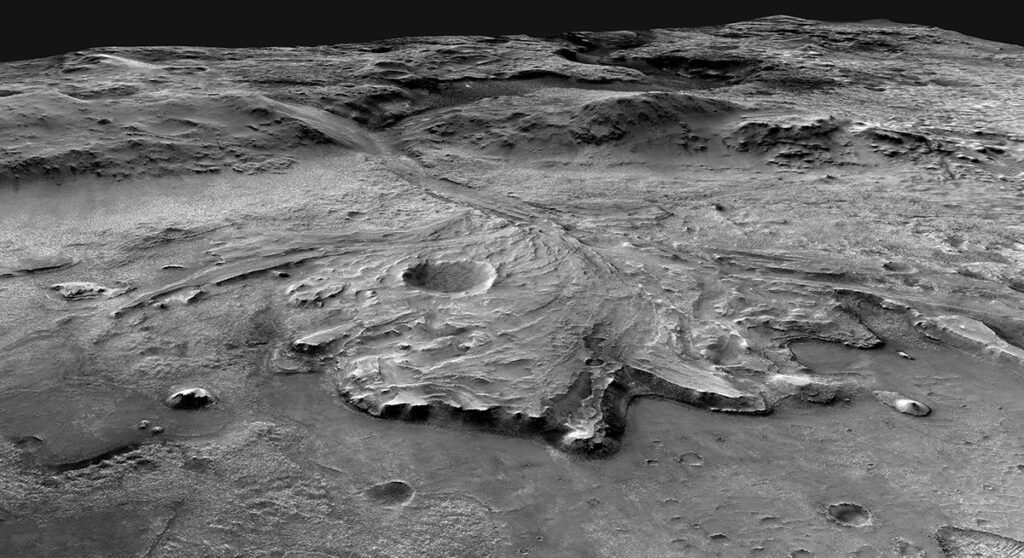
These findings strongly suggest that the Jezero Crater once hosted a vast lake or river network, capable of supporting habitable conditions.
How the Research Was Conducted
NASA’s Perseverance Rover used an instrument called PIXL (Planetary Instrument for X-ray Lithochemistry) to direct X-rays onto Martian rocks and study their chemical “fingerprints.”
Nearby regions such as Cheyava Falls revealed “leopard spot” textures — features that indicate the presence of long-standing water and relatively mild environmental conditions, both key factors for sustaining life.
Why This Matters
This is not just another isolated finding; it’s part of a growing body of strong evidence showing that Mars once had dynamic, changing environments — sometimes acidic, sometimes neutral, and sometimes alkaline — that could have supported microbial life.
It enhances earlier theories that Mars “once had water,” expanding them into a more complex understanding: the planet experienced multiple habitable phases.
The discovery also reignites one of humanity’s oldest questions — “Are we alone in the universe?”