

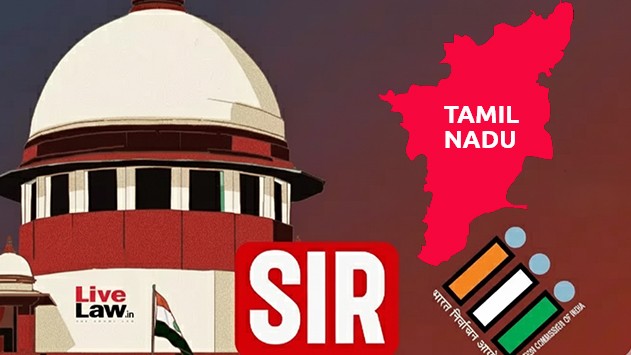
In recent weeks, the term “SIR” has been widely circulating across social media platforms and news discussions. But what exactly is SIR? Why has it become a subject of intense debate and public concern? What does this process involve, and how will it affect ordinary citizens?
This article breaks it down in a simple, comprehensive manner.
What is SIR?
SIR stands for Systematic Intensive Revision of Electoral Rolls.
It is a large-scale exercise undertaken by the Election Commission of India to:
- Correct errors in the existing voter list
- Remove the names of deceased persons or individuals who have relocated
- Ensure every eligible voter is properly registered
According to the Election Commission, rapid urbanisation, frequent migration, the rise in new voters, and the need to identify relocated individuals are key reasons behind conducting SIR.
SIR is not a new process. The first SIR was carried out in 1951, and a total of eight rounds were conducted until 2004. After a gap of 21 years, SIR is being implemented again.
Where and When is SIR Conducted?
This year, the SIR process is being implemented in the following states:
- Tamil Nadu
- Kerala
- West Bengal
- Chhattisgarh
- Goa
- Gujarat
- Madhya Pradesh
- Rajasthan
- Uttar Pradesh
And in the following Union Territories:
- Puducherry
- Andaman & Nicobar Islands
- Lakshadweep
The SIR process is particularly significant in states like Tamil Nadu, Kerala, Puducherry, and West Bengal, where Assembly elections are scheduled for 2026.
How Does the SIR Process Work?
The Election Commission has deployed Booth Level Officers (BLOs) for this task. These officers will visit households to verify voter information.
Citizens will be given a form containing a QR code, which they must fill out with their personal details. This process is carried out in five phases.
BLOs have already undergone special training from October 27 to November 3 to handle this work.
Important SIR Timeline (2025–26)
- House-to-house verification: November 4, 2025 – December 4, 2025
- Draft voter list publication: December 9, 2025
- Period for claims and objections: December 9, 2025 – January 8, 2026
- Verification of claims: December 9, 2025 – January 31, 2026
- Final electoral roll publication: February 7, 2026
If citizens have any questions, they can contact the officer listed on their form for clarification.
Why Are Protests Erupting Against SIR?
In earlier revisions, election officials themselves would visit each household, verify information about deaths or migration, and make corrections to the voter list.
This time, however, the responsibility has shifted to the voters, who must fill out the forms themselves. These forms ask for details that include citizenship-related information.
As a result, some groups fear that this resembles a citizenship verification exercise, raising concerns similar to those expressed during debates around NPR and NRC in past years.
Additionally, because the exercise must be completed within a short time frame, many fear that:
- Poor and less-educated citizens may struggle to fill out the forms
- Vital information may be missed
- Eligible voters may unintentionally lose their voting rights
Due to these concerns, political opposition is strong.
Parties like the DMK, VCK, and NTK in Tamil Nadu, as well as similar parties in Kerala and West Bengal, have staged protests.
Meanwhile, parties such as the BJP and AIADMK have expressed their support for the SIR process.
Concerns Raised by Opponents
A major concern is the precedent set in Bihar, where a similar revision exercise reportedly led to over 65 lakh voter names being removed from the rolls. Many citizens were unable to provide documents such as Aadhaar during the verification process, resulting in their names being omitted.
Opposition leaders fear a repeat of this situation in Tamil Nadu and other states.
Another practical issue is the timing:
Monsoon season, half-yearly school exams, Christmas, New Year, and Pongal all fall during the SIR period.
This may reduce public participation and increase the risk of incomplete data collection—causing more voters to lose their names from the list.
Several voices suggest postponing SIR until after the elections.
What Should the Public Know?
The electoral roll revised under SIR will be the voter list used in upcoming elections.
Therefore, it is crucial for every citizen to participate actively and fill out the form accurately.
Key details to cross-check in the form:
- Name
- Address
- Date of birth
- Gender
- Any spelling or data errors
Documents that may be required:
- Government employee ID or pension order
- Any government-issued ID before 1987
- Birth certificate
- Passport
- School or educational certificate
- Permanent residence certificate
- Forest rights certificate
- Caste certificate
- Family card issued by local bodies
- Land or house allotment order from the government
- Aadhaar card
A correct and updated voter list is essential for free and fair elections. This makes SIR not just an administrative task but also a civic responsibility.
SIR is intended to be a procedural exercise to improve the accuracy of India’s voter rolls. Whether it succeeds depends on how transparently and sensitively the authorities implement it.
Public awareness is essential. Citizens are encouraged to cross-check their information and reach out to BLOs or the official Election Commission website for any clarification.
A well-informed population ensures a stronger democracy.